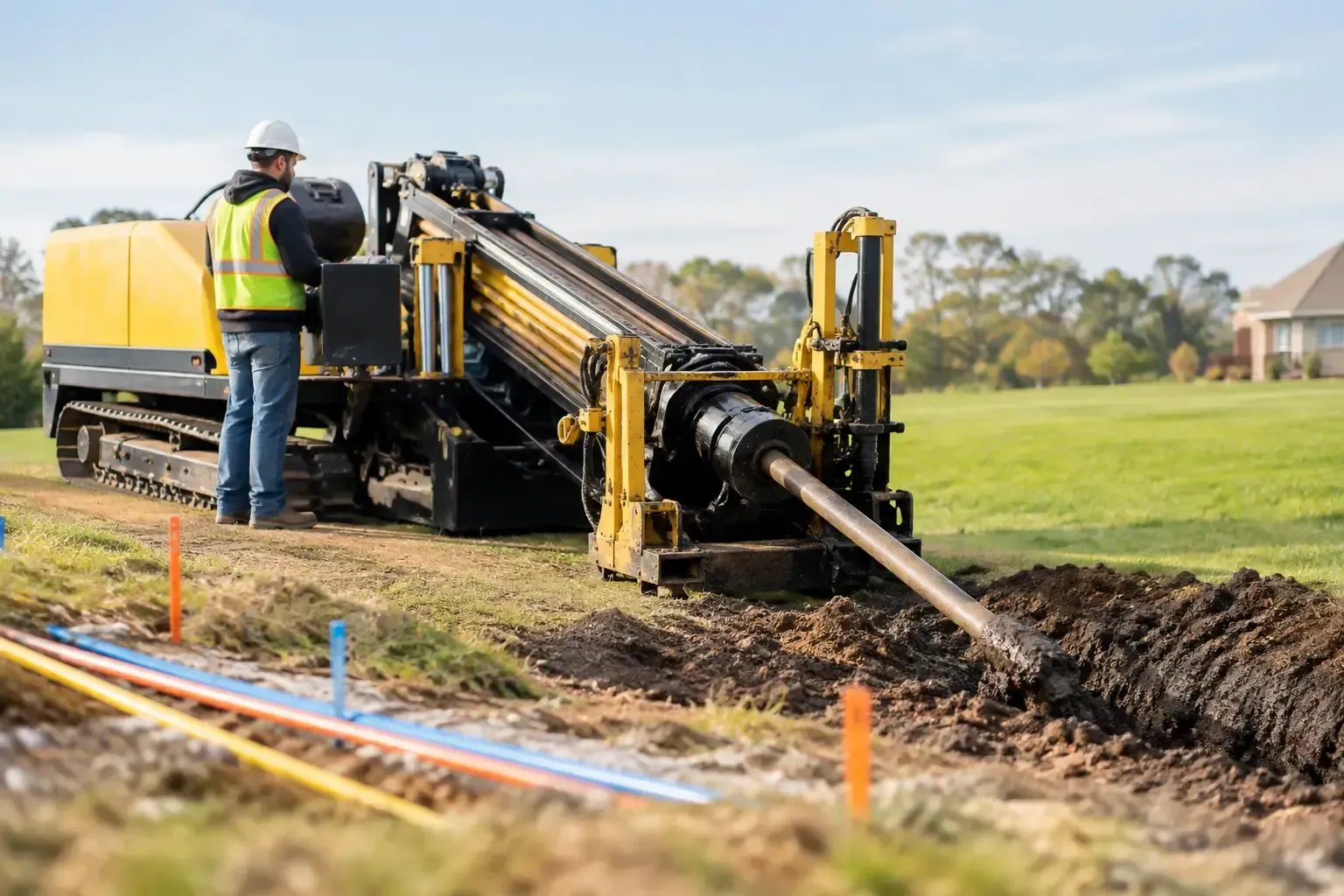
How Horizontal Directional Drilling Makes River and Highway Crossings Possible
Installing underground utilities beneath rivers and highways presents challenges that traditional excavation methods cannot always solve.
Excavating across a busy highway can disrupt traffic, while digging through a riverbed can disturb aquatic habitats and increase environmental risks. These obstacles require a construction method that allows utilities to pass underground while minimizing surface disturbance.
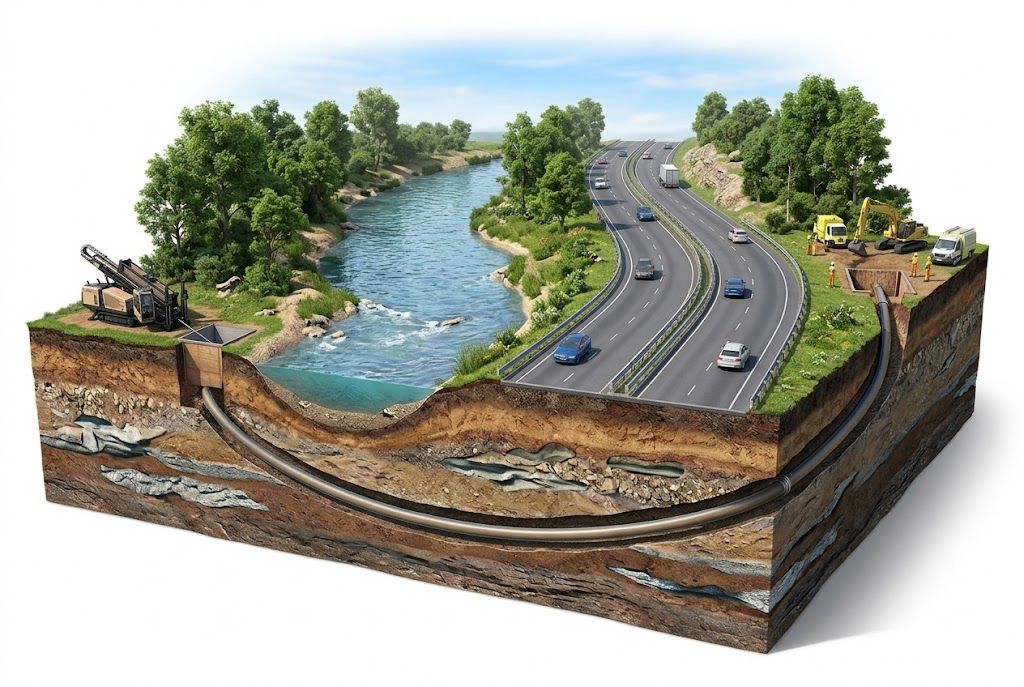
Horizontal directional drilling (HDD) makes these complex crossings possible by creating a controlled underground pathway for pipelines, conduits, and utility infrastructure.
For municipalities, telecommunications providers, utility companies, and infrastructure developers, working with an experienced HDD river crossing contractor helps ensure that these installations are carefully planned and executed.
At United HDD LLC, we provide horizontal directional drilling and trenchless construction solutions for challenging utility projects nationwide.
What Is Horizontal Directional Drilling?
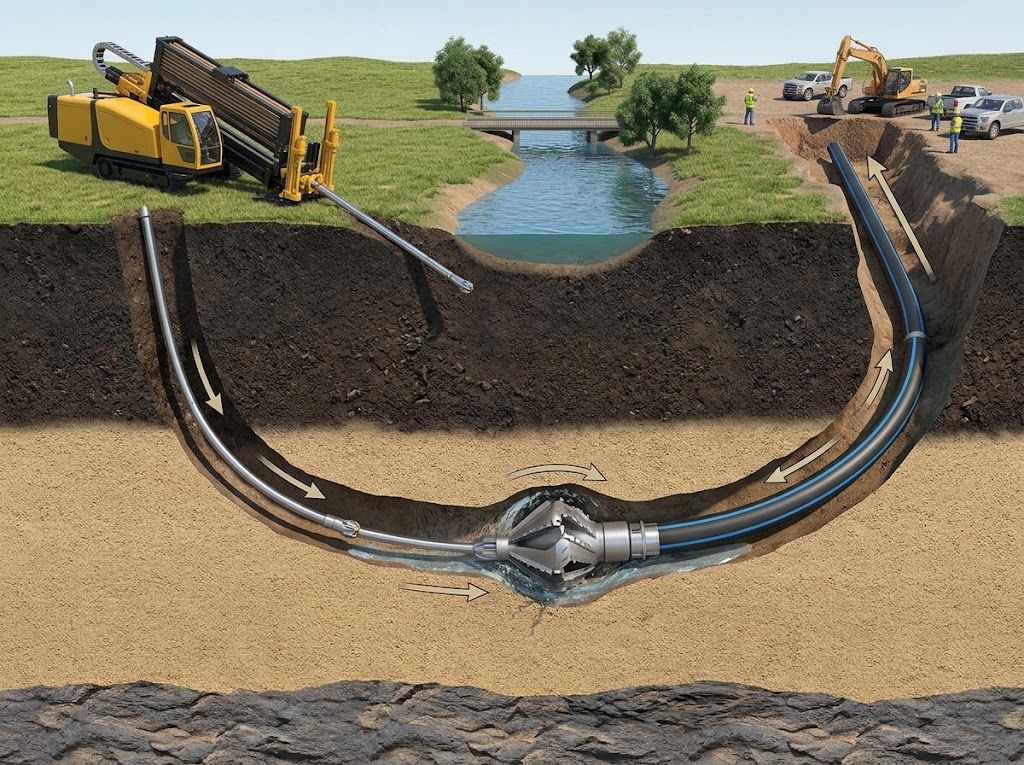
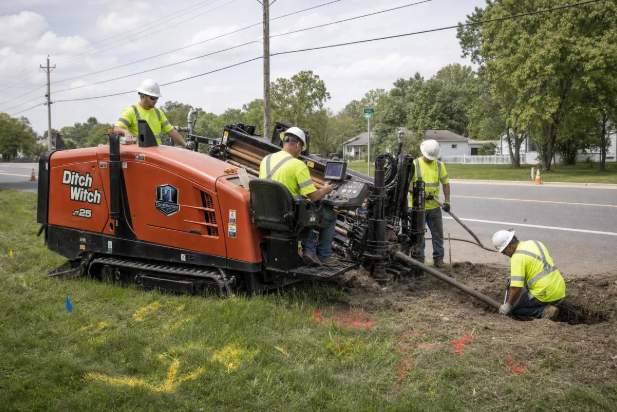
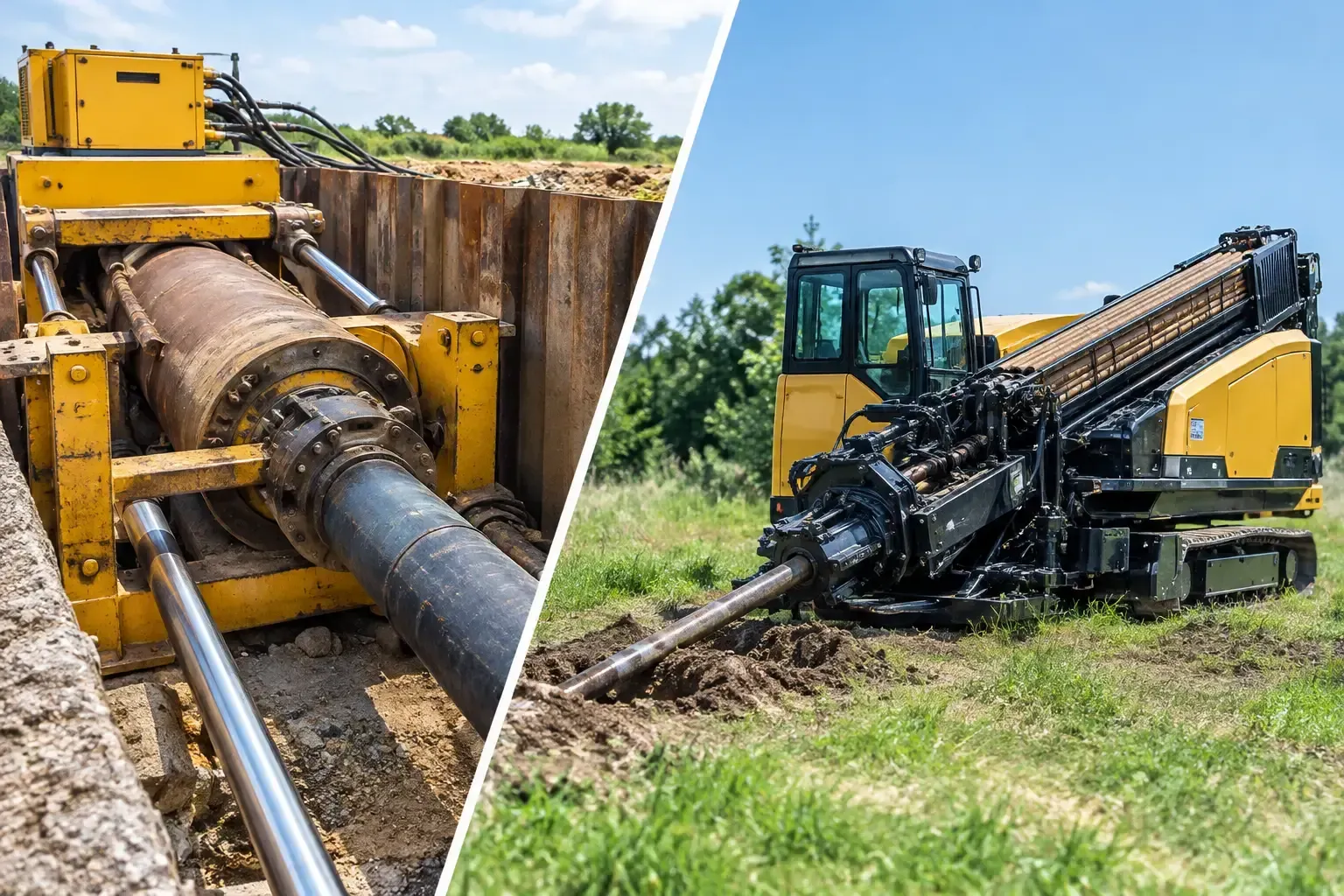
Horizontal directional drilling is a trenchless construction technique used to install underground pipelines, conduits, and utilities without excavating a continuous trench along the installation route.
Instead of digging through roads, waterways, or developed properties, specialized drilling equipment creates a guided underground bore beneath the obstacle.
The process generally involves three main stages:
1. Pilot Hole Drilling
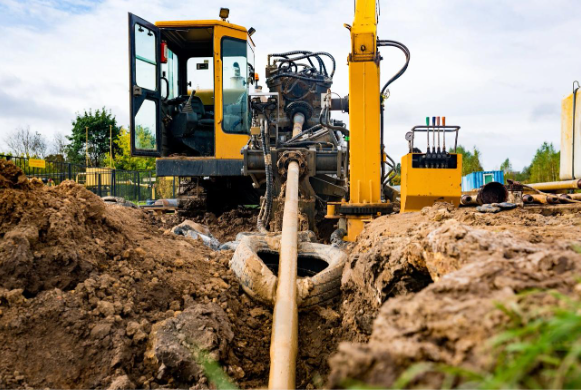
A drilling rig creates a small pilot hole along a carefully designed underground path. Tracking and guidance systems help operators monitor the drilling head and maintain the intended alignment.
2. Borehole Enlargement
Once the pilot hole reaches the planned exit point, a reamer may be used to enlarge the borehole to accommodate the required pipe or conduit.
3. Pipe or Conduit Installation
The prepared pipeline or conduit is pulled through the completed borehole, establishing an underground connection between the entry and exit locations.
This method allows contractors to install utilities beneath obstacles while limiting excavation primarily to designated work areas.
How HDD Makes River Crossings Possible
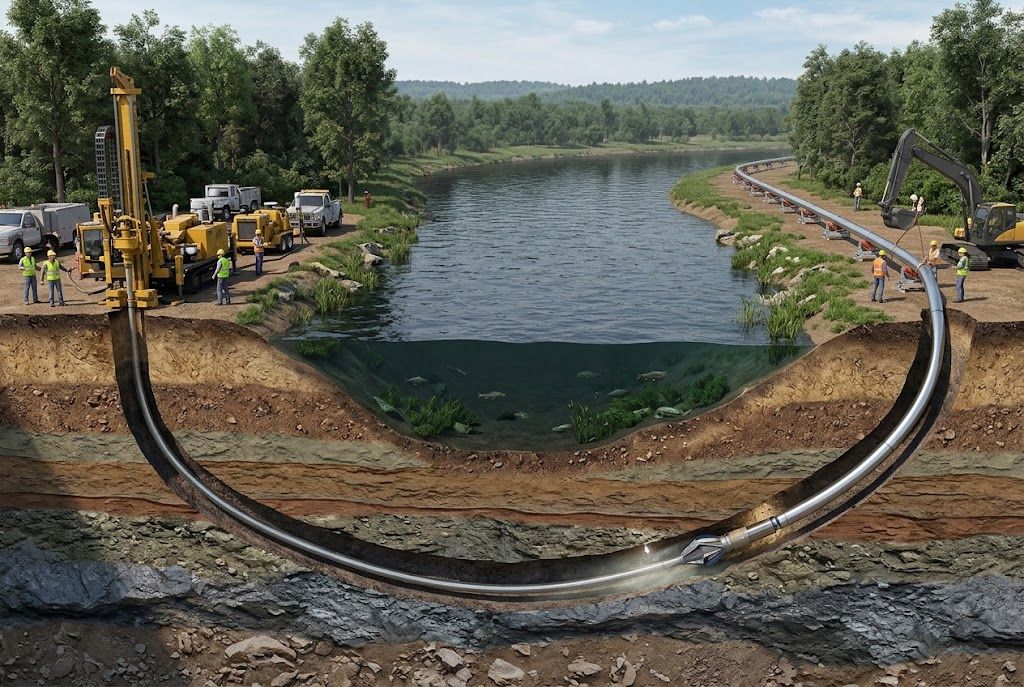
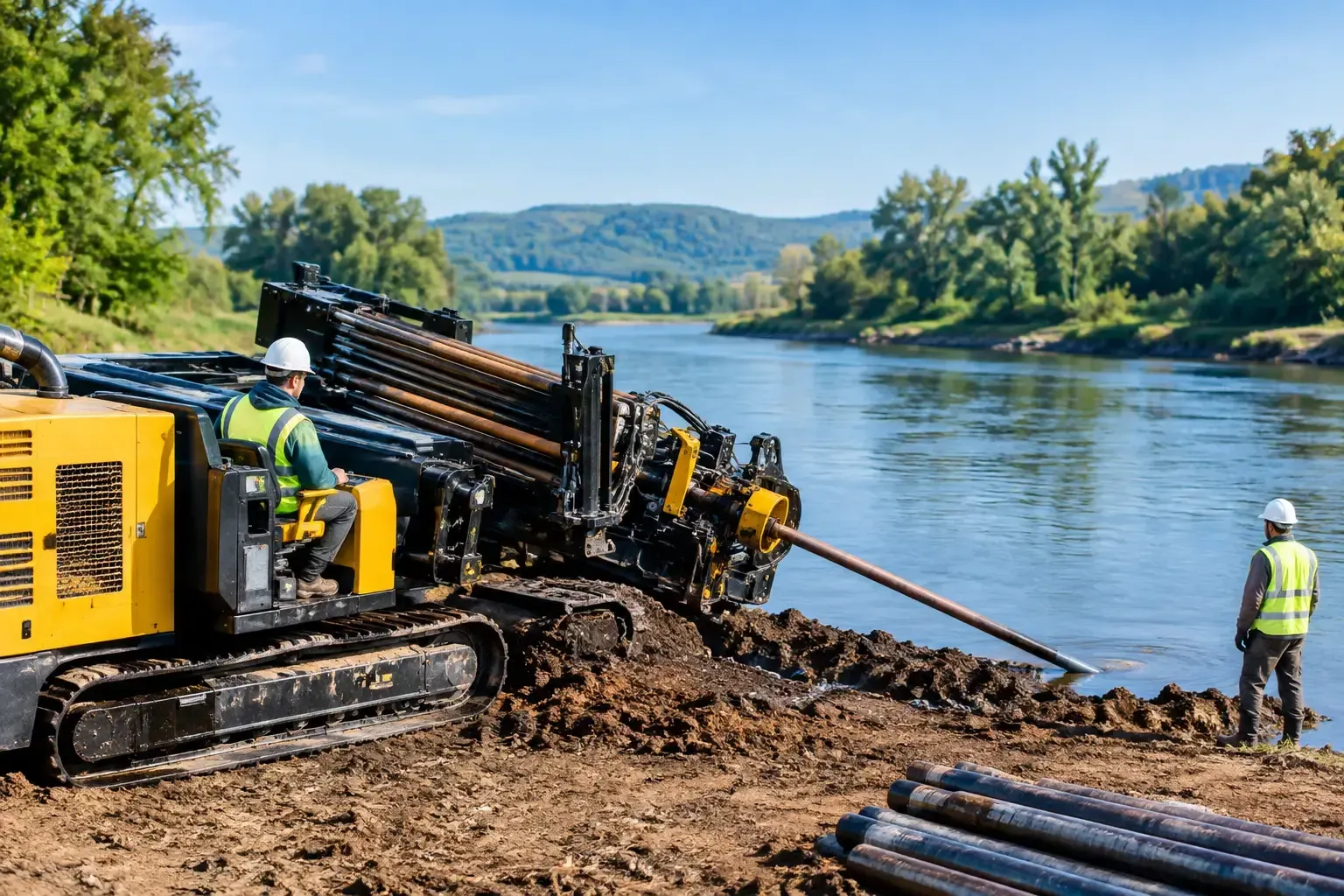
Rivers create unique challenges for underground utility installation. Water movement, soil conditions, environmental regulations, and limited construction access can make conventional excavation difficult.
An experienced HDD river crossing contractor evaluates these conditions before determining the appropriate installation approach.
Protecting Riverbeds and Aquatic Habitats
Traditional open-cut construction may require excavation within a riverbed, potentially disturbing sediment, vegetation, and aquatic habitats.
Horizontal directional drilling allows utilities to be installed beneath the waterway at an engineered depth, reducing the need for direct excavation within the river.
Benefits can include:
- Reduced physical disturbance to riverbeds and shorelines
- Less disruption to aquatic environments
- Limited excavation near sensitive areas
- Reduced interference with normal waterway use
- More flexibility when planning underground utility routes
Although HDD can reduce environmental impacts, proper drilling-fluid management, site monitoring, and contingency planning remain essential.
Installing Utilities Beneath Wide Waterways
Some river crossings require underground installations extending hundreds or thousands of feet.
Horizontal directional drilling equipment can accommodate long-distance underground crossings when suitable geological conditions, equipment capacity, and project designs are available.
Applications may include:
- Water transmission pipelines
- Telecommunications conduits
- Fiber optic infrastructure
- Energy utility lines
- Other approved underground utility systems
United HDD works with infrastructure projects requiring detailed bore planning and specialized trenchless construction methods.
Managing Difficult Ground Conditions
River crossings may involve changing soil layers, rock formations, groundwater pressure, or unstable ground.
Before drilling begins, contractors must consider:
- Geological and geotechnical information
- River width and required drilling depth
- Underground obstructions
- Pipeline diameter and material
- Entry and exit locations
- Drilling fluid management
- Environmental and regulatory requirements
A qualified HDD river crossing contractor uses this information to select appropriate equipment, develop the drilling plan, and establish procedures for managing construction risks.
How Horizontal Directional Drilling Works Beneath Highways
Highways are another major obstacle for underground utility installation. Traditional excavation may require lane closures, traffic detours, pavement removal, and extensive restoration.
HDD provides an alternative by installing utilities beneath the roadway without excavating across the highway surface.
Reducing Traffic Disruptions
With properly planned HDD operations, underground utilities can cross beneath highways while traffic continues moving above the installation area.
This approach can help:
- Minimize lane closures
- Reduce interference with daily traffic
- Avoid extensive pavement removal
- Limit disruption to surrounding businesses
- Reduce roadway restoration requirements
Highway projects still require appropriate traffic control, work-zone access, and transportation agency approvals.
Preserving Existing Road Infrastructure
Roadway excavation can affect pavement, drainage systems, nearby structures, and existing underground utilities.
Horizontal directional drilling helps preserve the road surface by establishing an underground installation path.
For projects involving telecommunications and utility distribution, directional boring offers a practical way to navigate developed areas and transportation corridors.
Supporting Highway Utility Expansion
As communities expand, highways often need additional utility connections serving residential, commercial, and industrial developments.
HDD supports the installation of:
- Fiber optic conduits
- Water pipelines
- Electrical utility conduits
- Telecommunications infrastructure
- Other underground utility connections
By reducing surface excavation, this method can help infrastructure projects move forward with fewer disruptions to existing transportation networks.
Key Benefits of HDD for River and Highway Crossings
Minimal Surface Disturbance
Greater Installation Flexibility
Reduced Restoration Requirements
Support for Complex Infrastructure
Potential Cost and Scheduling Advantages
Other Trenchless Services That Support Utility Projects
River and highway crossings are often part of larger underground infrastructure projects.
Cable Plowing
Cable Plowing provides an efficient method for installing underground cables along suitable open land and rural utility corridors.
Directional Boring
Directional Boring helps install underground utility lines beneath roads, sidewalks, driveways, and developed properties.
It is particularly useful when surface excavation would interfere with existing infrastructure.
Fiber Optic Installation
Fiber Optic Installation supports reliable telecommunications infrastructure and high-capacity network expansion.
Horizontal Directional Drilling
Horizontal Directional Drilling provides solutions for long-distance and complex underground utility crossings.
Microtrenching
Microtrenching uses narrow surface cuts to install suitable conduits, particularly for telecommunications projects in developed areas.
Trenchless Utility Installation
Trenchless Utility Installation provides underground infrastructure solutions that reduce the need for extensive surface excavation.
What to Look for in an HDD River Crossing Contractor
When selecting an HDD river crossing contractor, consider the following factors.
Experience with Complex Crossings
Detailed Project Planning
Environmental and Safety Procedures
Regulatory Coordination
Appropriate Equipment and Crew Capabilities
Why Proper Planning Matters for River and Highway Crossings

Every underground crossing presents different conditions. A drilling approach that works for one project may not be appropriate for another.
Before construction begins, project teams should evaluate the crossing requirements and potential risks.
Important planning considerations include:
- Site investigation: Reviewing soil conditions, geological data, and existing utilities.
- Bore path design: Establishing a suitable underground route with required clearances.
- Equipment selection: Matching drilling equipment to the installation requirements.
- Permit coordination: Addressing applicable environmental and transportation regulations.
- Drilling fluid management: Planning containment, monitoring, and response procedures.
- Installation verification: Completing required inspections, testing, and documentation.
Early coordination between project owners, engineers, and contractors helps identify challenges before construction begins.
Frequently Asked Questions About HDD River and Highway Crossings
Can horizontal directional drilling cross beneath a river?
Yes. Horizontal directional drilling can install underground pipes and conduits beneath rivers without requiring continuous excavation through the riverbed. Feasibility depends on geological conditions, crossing distance, required depth, and project specifications.
Can HDD install utilities beneath an active highway?
Yes. HDD can create underground utility crossings beneath active highways while minimizing disturbance to the pavement. Appropriate engineering, permits, safety controls, and construction planning are required.
What utilities can be installed using HDD?
Horizontal directional drilling can be used for water pipelines, electrical conduits, telecommunications infrastructure, fiber optic systems, and other compatible underground utilities.
Is HDD better than traditional excavation?
HDD can be advantageous when surface disruption must be minimized. However, the most suitable installation method depends on ground conditions, utility specifications, access limitations, environmental considerations, and overall project costs.
How long does a river crossing take?
The timeline varies based on crossing length, soil and rock conditions, pipe diameter, equipment requirements, permitting, and site accessibility. A project-specific evaluation is necessary to estimate the schedule accurately.
Schedule Your River or Highway Crossing Project with United HDD LLC
River and highway crossings demand careful planning, specialized equipment, and experienced underground utility professionals.
Whether your project involves a major waterway, a busy highway, or an extensive underground utility route, United HDD LLC provides trenchless construction solutions designed to minimize surface disruption and support reliable infrastructure installation.
From horizontal directional drilling and directional boring to fiber optic installation and other trenchless services, our team is ready to discuss your project requirements.
Contact United HDD LLC today to request an estimate and schedule a consultation for your next river crossing, highway crossing, or underground utility installation project.
Phone: 888-618-5287
Email: estimating@unitedhdd.com