Directional Boring vs. Traditional Trenching: Which Is Better for Utility Installation?
Installing underground utilities requires careful planning, especially when choosing the right excavation or drilling method. Whether a project involves fiber optic cables, telecommunications infrastructure, electrical conduits, or water pipelines, the installation method can significantly affect costs, timelines, and surrounding property conditions.
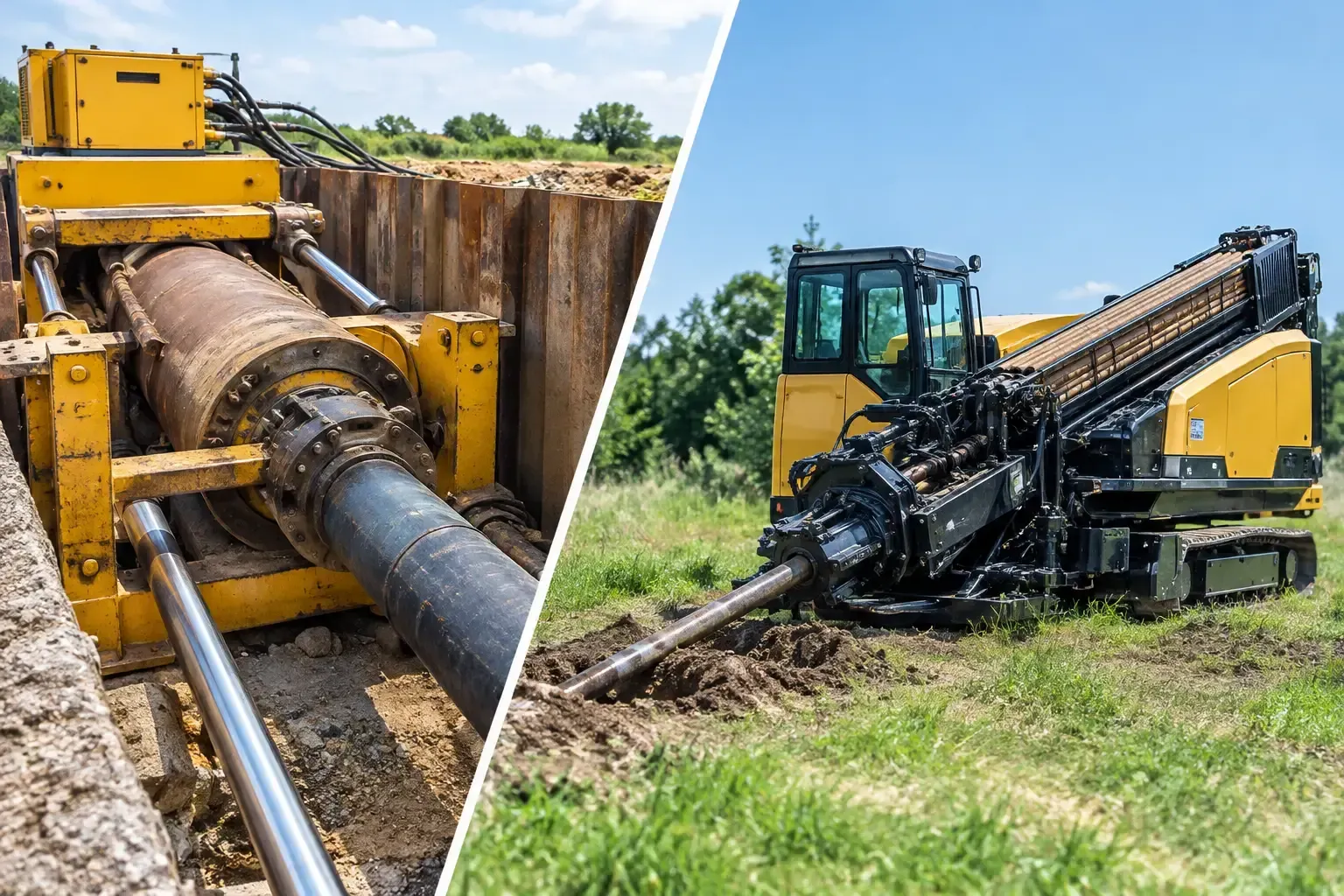
Two commonly used approaches are directional boring and traditional trenching. Although both methods can install underground infrastructure, they differ in their installation processes, surface disruption, equipment requirements, and overall project costs.
Professional directional boring services have become a popular solution for utility projects that require minimal excavation. However, traditional trenching can still be practical for certain applications.
Understanding the advantages and limitations of each method can help contractors, property owners, municipalities, and utility providers make informed decisions.
What Are Directional Boring Services?
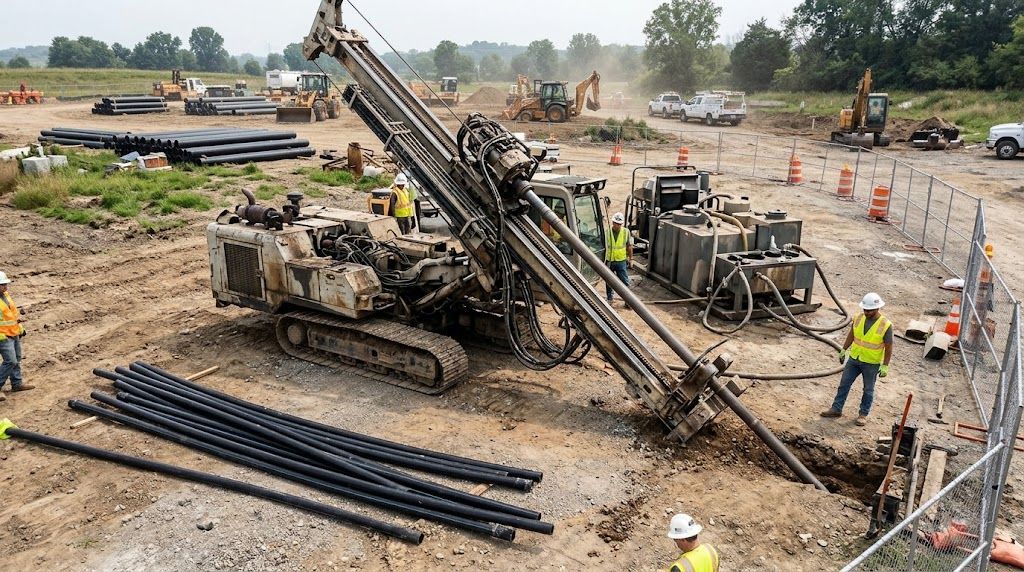
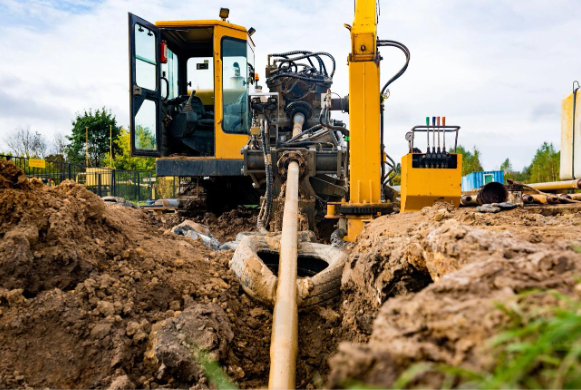
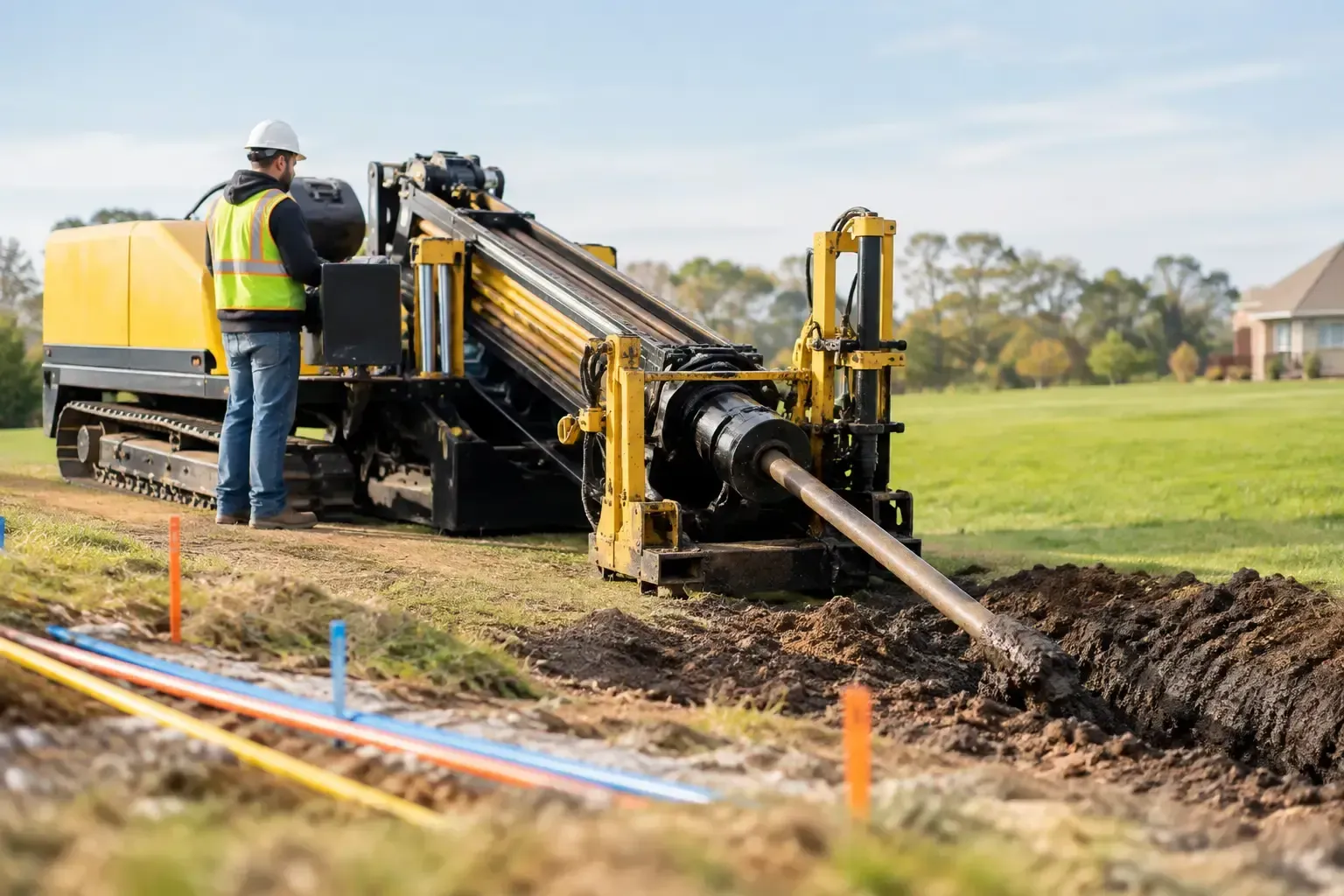
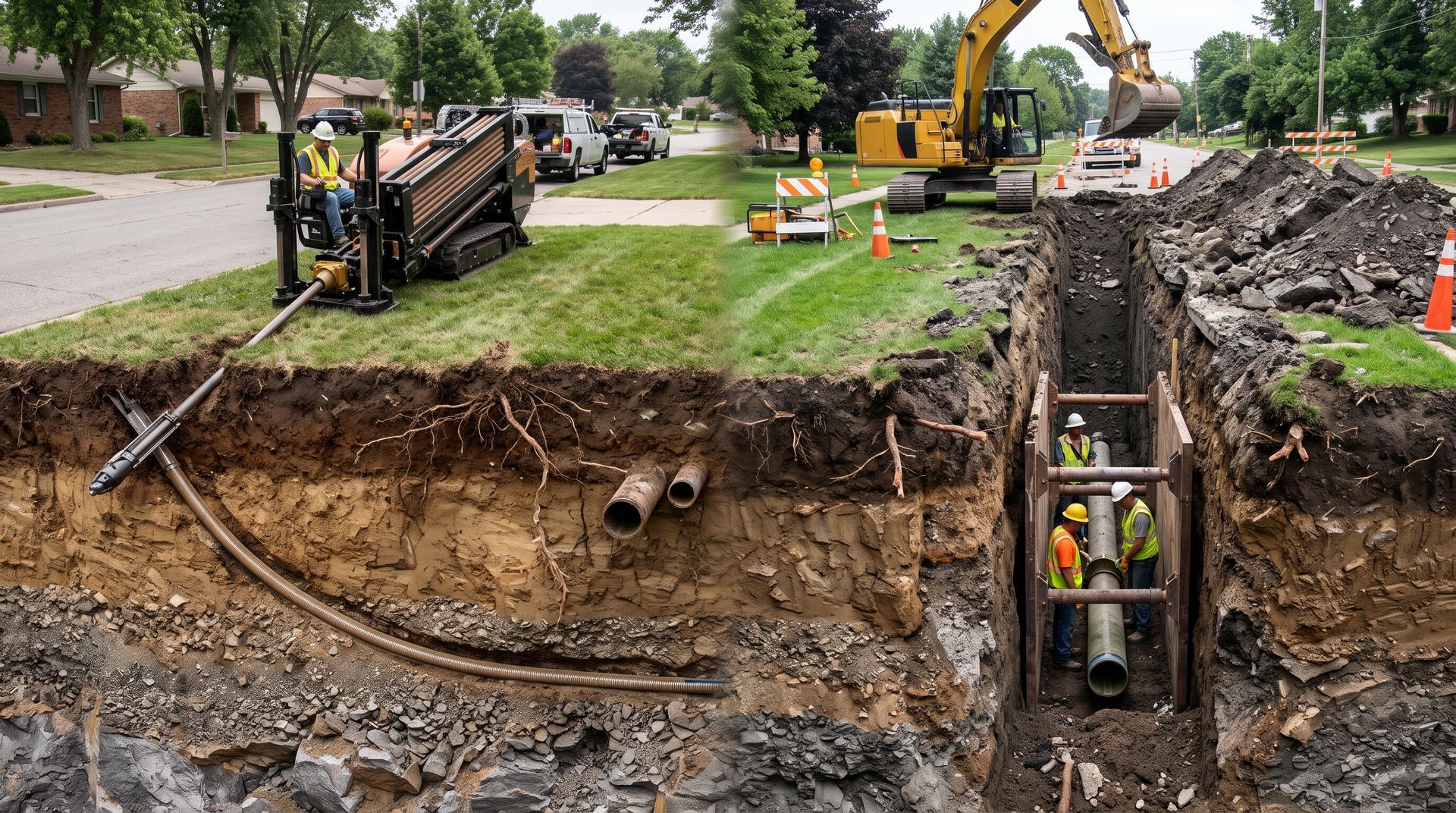
Directional boring is a trenchless construction technique used to install underground pipes, cables, and conduits without excavating an open trench along the entire installation route.
Also known as horizontal directional drilling (HDD), this method uses specialized drilling equipment to create a controlled underground pathway.
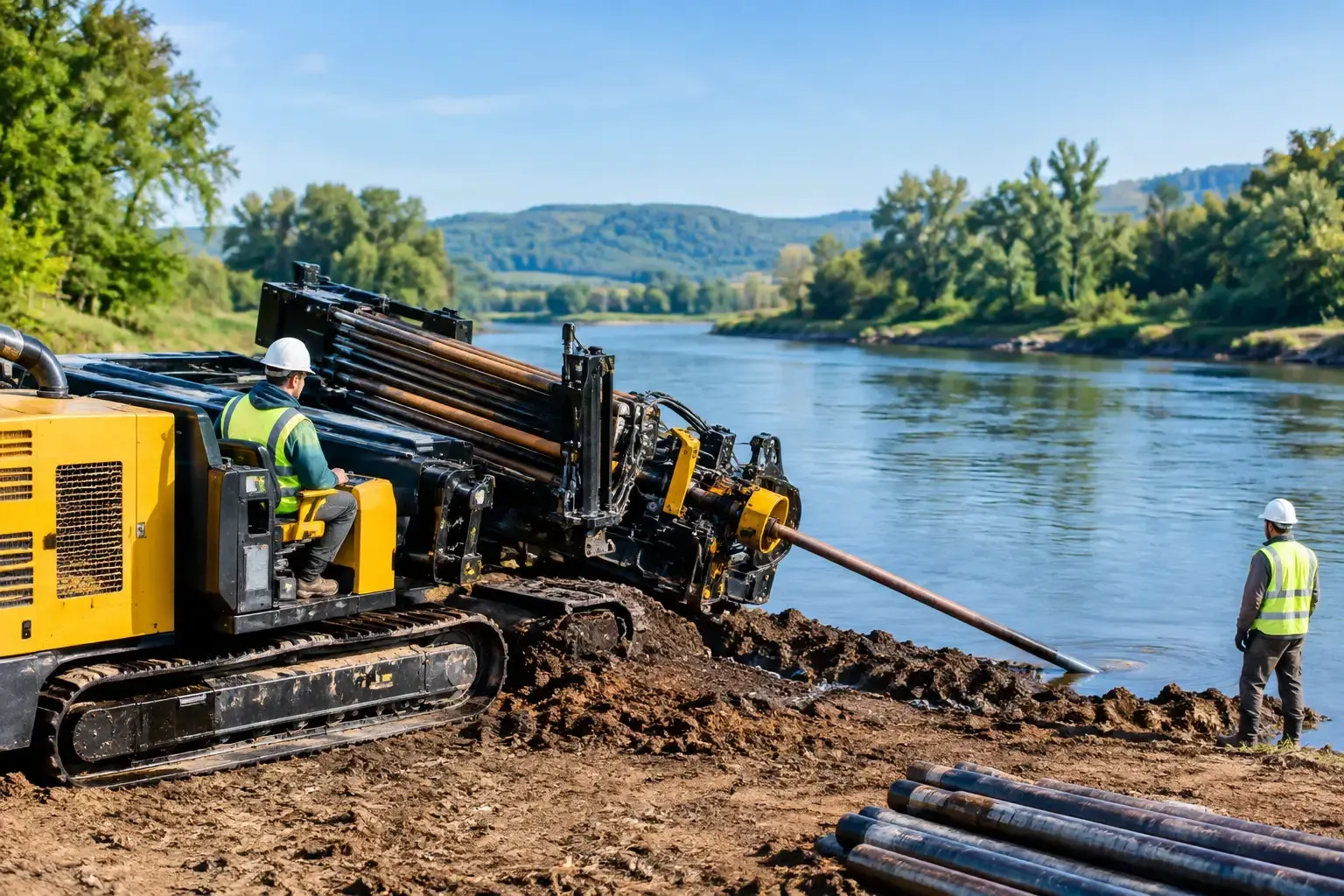
Instead of removing soil across the entire utility corridor, contractors drill beneath obstacles such as roads, sidewalks, landscaped areas, and waterways.
Professional Directional Boring service Nationwide offers an efficient installation option for projects where extensive surface excavation would create unnecessary disruption.
How Does Directional Boring Work?
Directional boring typically follows several important steps:
- Site Evaluation: Contractors assess soil conditions, identify existing underground utilities, and determine an appropriate drilling route.
- Pilot Hole Drilling: Specialized drilling equipment creates a guided underground pathway along the planned alignment.
- Hole Enlargement: Depending on the required pipe or conduit diameter, contractors enlarge the pilot hole using a reaming tool.
- Utility Installation: The pipe or conduit is pulled through the completed borehole.
- Site Restoration: Crews restore the limited areas disturbed during drilling and installation.
This method allows contractors to install essential utilities while preserving much of the surrounding surface.
For larger or more complex projects, Horizontal Directional Drilling service Nationwide provides specialized solutions for underground crossings, highways, waterways, and challenging utility corridors.
What Is Traditional Trenching?
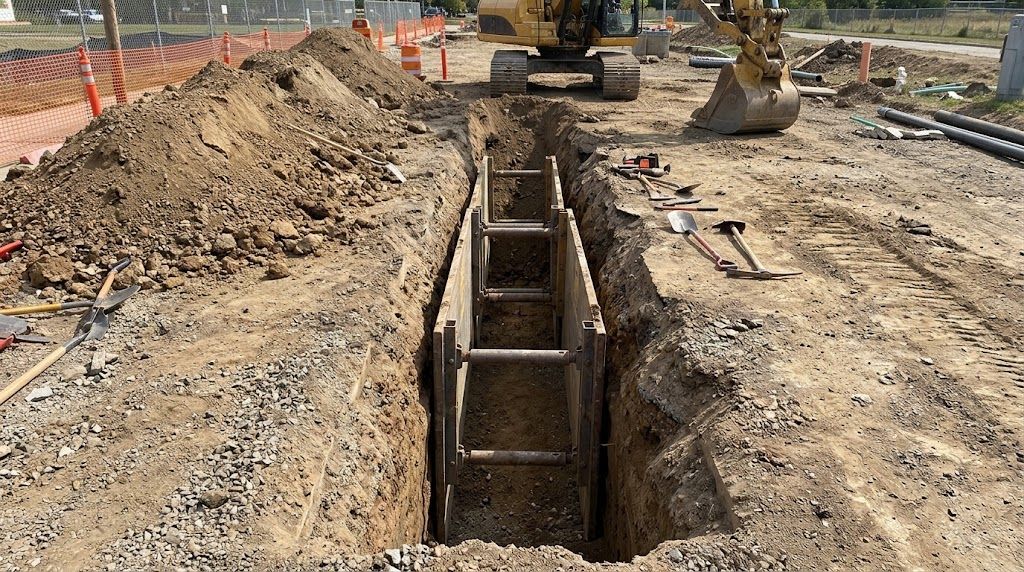
Traditional trenching is an open-cut excavation method that involves digging a continuous trench along the planned utility route.
Once the trench reaches the required depth, contractors install pipes, cables, or conduits before backfilling the excavation.
The disturbed surface must then be restored to meet the project's requirements.
How Does Traditional Trenching Work?
The process generally involves:
- Identifying existing underground utilities and preparing the work area.
- Excavating a trench along the designated route.
- Preparing the trench bed and installing utility infrastructure.
- Inspecting the installation before backfilling.
- Compacting the soil and restoring the surrounding surface.
Traditional trenching provides direct access to the installation area, making it suitable for certain shallow utility projects and locations where excavation is relatively straightforward.
However, the method often requires more extensive ground disturbance, particularly in developed areas.
Directional Boring vs. Traditional Trenching: Key Differences
Choosing between directional boring services and traditional trenching involves evaluating several project factors.
Both methods can produce successful underground utility installations, but their suitability depends on the surrounding environment and infrastructure requirements.
1. Surface Disruption
One of the most significant differences between directional boring and traditional trenching is the amount of surface excavation required.
Directional Boring
Directional boring allows contractors to install utilities beneath existing surfaces without opening a trench across the entire route.
This approach can help preserve:
- Roads and highways
- Sidewalks and parking lots
- Residential lawns and landscaping
- Commercial properties
- Existing pavement
- Environmentally sensitive areas
Because excavation is generally limited to entry, exit, and connection areas, directional boring can reduce the need for extensive surface restoration.
Traditional Trenching
Traditional trenching requires excavation along the installation path.
This may involve removing pavement, disturbing landscaping, restricting vehicle access, or temporarily closing sections of a property.
After installation, contractors must backfill the trench and restore the affected surfaces.
Which Is Better?
Directional boring is generally the preferred option when minimizing surface disruption is a major priority.
2. Project Conditions and Accessibility
Ground conditions, available workspace, and existing infrastructure also influence the selection of a utility installation method.
Directional Boring
Directional boring is particularly useful when underground utilities must pass beneath obstacles that would be difficult or disruptive to excavate.
Common applications include:
- Road and highway crossings
- Commercial developments
- Residential neighborhoods
- Waterway crossings
- Urban utility corridors
- Telecommunications infrastructure projects
However, directional boring requires careful planning.
Rock formations, unstable ground, existing utilities, limited equipment access, and insufficient drilling clearance can increase project complexity.
Traditional Trenching
Traditional trenching can be practical in open areas where excavation equipment has unrestricted access.
Examples include:
- Undeveloped properties
- Open construction sites
- Short utility connections
- Shallow installations
- Projects requiring frequent access along the utility route
Which Is Better?
Directional boring is often advantageous in developed locations or areas with significant surface obstacles. Traditional trenching may be more practical on accessible sites where excavation is relatively simple.
3. Installation Methods and Equipment
Directional boring and traditional trenching use different equipment and construction techniques.
Directional Boring
Directional boring services rely on specialized drilling rigs, guidance systems, and underground boring equipment.
These systems allow contractors to monitor and adjust the drilling path while creating a controlled underground route.
Depending on the project, drilling fluid may be used to support the borehole and transport excavated material.
The installation process requires careful coordination to maintain the appropriate drilling depth and alignment.
Traditional Trenching
Traditional trenching commonly uses excavators, trenchers, and other earthmoving machinery.
Contractors physically remove soil to expose the installation corridor.
While this provides direct access to the utility route, it also requires appropriate excavation safety measures, spoil management, and surface restoration.
Which Is Better?
Directional boring offers advantages when underground installation must follow a controlled path beneath existing infrastructure. Traditional trenching provides easier physical access when an open excavation is necessary.
4. Project Timeline and Efficiency
Construction timelines can vary considerably depending on utility size, installation distance, weather conditions, and site accessibility.
Directional Boring
Directional boring can shorten construction schedules by reducing the need for continuous excavation and extensive surface restoration.
Because much of the work occurs underground, contractors may also avoid some of the delays associated with pavement removal and reconstruction.
However, complicated soil conditions, drilling-fluid management, or unexpected underground obstructions can affect progress.
Traditional Trenching
Traditional trenching may be completed efficiently when working across short distances or easily accessible terrain.
For projects involving paved surfaces or congested urban environments, additional excavation, traffic management, backfilling, and restoration can extend the schedule.
Which Is Better?
Directional boring may provide faster overall completion for projects requiring significant surface restoration. Traditional trenching can be efficient for straightforward installations in open areas.
5. Cost Considerations
Cost is often one of the most important factors when comparing directional boring services with traditional trenching.
However, the lowest initial construction cost does not always represent the most economical solution.
Directional Boring Costs
Directional boring may involve higher specialized equipment and mobilization expenses.
Project costs depend on factors such as:
- Total drilling distance
- Bore diameter and depth
- Soil and rock conditions
- Equipment and crew requirements
- Existing underground infrastructure
- Utility materials
- Permitting requirements
- Site accessibility
Despite these expenses, directional boring may reduce total project costs by limiting pavement removal, landscaping repairs, traffic disruption, and restoration work.
Traditional Trenching Costs
Traditional trenching may offer lower initial costs when excavation conditions are favorable.
However, the overall budget must also account for:
- Excavation equipment
- Labor and trench safety
- Soil removal and disposal
- Backfilling and compaction
- Pavement replacement
- Landscaping restoration
- Traffic control
- Potential project delays
Which Is More Cost-Effective?
When Should You Choose Directional Boring Services?
Consider directional boring when:
- Utilities must cross beneath highways or busy roads.
- Existing pavement and landscaping must be preserved.
- Construction activity needs to minimize disruption to businesses or residents.
- Open excavation would be difficult or restricted.
- Utilities must pass beneath waterways or other obstacles.
- Restoration costs could make traditional excavation expensive.
For projects requiring minimal excavation, Trenchless Utility Installation service Nationwide offers solutions designed for complex underground infrastructure requirements.
When Is Traditional Trenching the Better Choice?
Open-cut excavation may be preferable when:
- The installation route is short and easily accessible.
- The site is undeveloped or free from major surface obstacles.
- The utility requires direct access throughout installation.
- Ground conditions make directional drilling impractical.
- Multiple connections must be installed along a shallow utility corridor.
- The overall excavation and restoration costs remain manageable.
Other Underground Utility Installation Methods Worth Considering
Microtrenching for Urban Utility Networks
It is commonly considered for telecommunications and fiber optic infrastructure.
Professional Microtrenching service Nationwide can be suitable for certain urban network installations where a narrow surface cut is permitted.
Cable Plowing for Open Utility Corridors
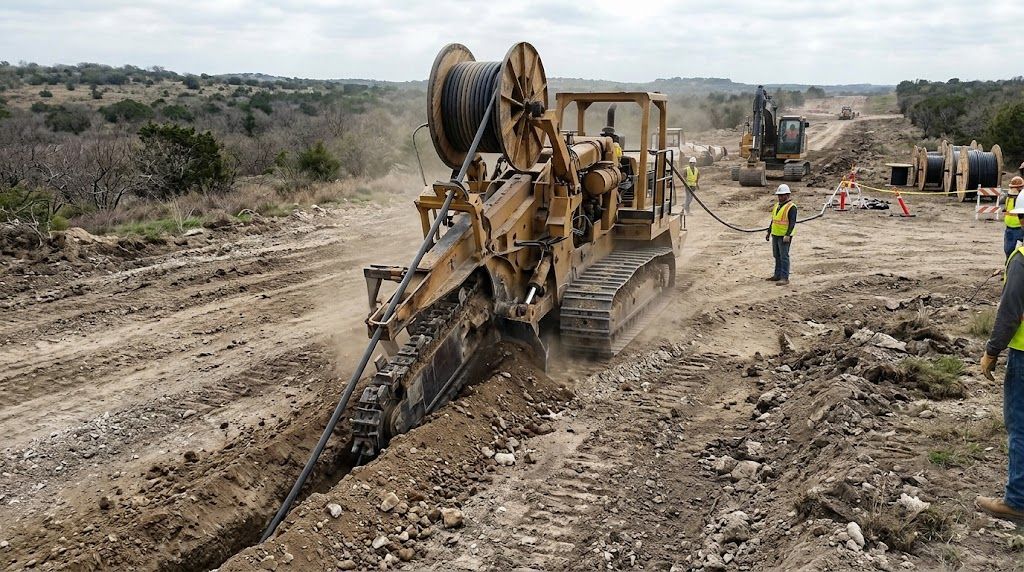
Cable plowing uses specialized equipment to install underground cables or conduits through the soil with limited excavation.
It is commonly used across open land and suitable rural utility corridors.
For projects involving long stretches of accessible terrain, Cable Plowing service Nationwide may offer an efficient installation alternative.
Fiber Optic Installation for Communication Infrastructure
Fiber optic networks require accurate underground placement to support modern telecommunications and data connectivity.
Depending on the location, fiber optic infrastructure can be installed using directional boring, microtrenching, cable plowing, or conventional excavation.
Professional Fiber Optic Installation service Nationwide helps support telecommunications infrastructure projects across different environments.
Important Factors to Consider Before Installing Underground Utilities
Before selecting an installation method, contractors and project owners should evaluate several essential conditions.
Existing Underground Utilities
Identifying buried electrical, gas, telecommunications, water, and sewer infrastructure is critical before excavation or drilling begins.
Directional boring does not eliminate the risk of striking existing utilities.
Appropriate utility locating, verification, safe-clearance procedures, and project planning are essential.
Soil and Ground Conditions
Clay, sand, gravel, rock, groundwater, and mixed soil formations can influence drilling performance and excavation requirements.
A site assessment helps determine whether directional boring or trenching is technically suitable.
Environmental and Regulatory Requirements
Certain utility projects may require permits, environmental controls, drilling-fluid management, or specific restoration procedures.
Contractors should identify applicable requirements before beginning construction.
Long-Term Infrastructure Requirements
The selected installation method should also accommodate the utility's required depth, diameter, material, alignment, and future maintenance needs.
Evaluating these factors early can help avoid unnecessary construction complications.
Frequently Asked Questions About Directional Boring Services
Is directional boring better than traditional trenching?
Directional boring is often better for projects where minimizing surface disruption, preserving existing infrastructure, and avoiding extensive restoration are priorities. Traditional trenching may be more practical for short installations across open, accessible terrain.
Are directional boring services more expensive than trenching?
Not necessarily. Directional boring may have higher specialized equipment costs, but it can reduce excavation, traffic management, and surface restoration expenses. Total project costs depend on drilling conditions, installation distance, and site requirements.
Can directional boring be used for fiber optic installation?
Yes. Directional boring is commonly used to install underground conduits for fiber optic cables, particularly when routes must pass beneath roads, sidewalks, or developed properties.
Does directional boring require excavation?
Yes, but typically much less continuous excavation than traditional trenching. Entry and exit areas, utility connections, and certain project conditions may still require excavation.
How do I know which utility installation method is right for my project?
The best method depends on the utility type, installation distance, soil conditions, underground obstacles, property access, and budget. A professional site evaluation can help determine the most suitable approach.
Choose Professional Directional Boring Services for Your Next Utility Project
Both directional boring and traditional trenching play important roles in underground utility installation.
However, when a project requires minimal surface disruption, precise underground placement, or installation beneath existing infrastructure, directional boring services can provide a practical and cost-effective solution.
At United HDD LLC, we provide professional underground utility installation solutions for projects nationwide. Our services include directional boring, horizontal directional drilling, trenchless utility installation, microtrenching, cable plowing, and fiber optic installation.
We understand that every project presents different conditions, which is why selecting the appropriate installation method is essential for successful construction.
Schedule Your Directional Boring Service Today
Planning an underground utility installation project?
Contact United HDD LLC today to discuss your project requirements, explore your installation options, and request an estimate for professional directional boring services.
Phone: 888-618-5287
Email: estimating@unitedhdd.com
Let United HDD LLC help you plan an efficient underground utility installation with professional directional boring services nationwide.